What is Teenage Acne?
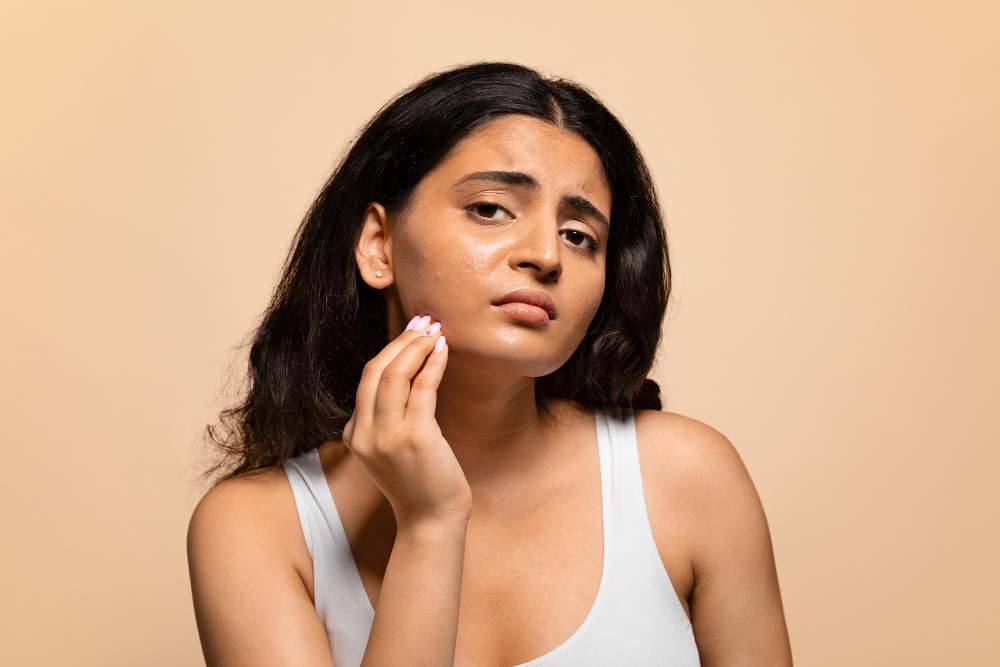
Teenage acne is a common skin problem that affects many teens. It causes pimples, blackheads, and whiteheads. Usually, acne appears on the face, chest, or back. For many, it starts during puberty. Because hormones change, oil glands make more oil. This extra oil can block pores. As a result, acne forms. Although it is not dangerous, it can affect self-esteem. However, with the right care, you can manage it well.
Common Symptoms of Teenage Acne
Teenage acne shows up in different ways. Some teens get only a few pimples. Others may have more severe breakouts. For example, you might notice:
Sometimes, acne can feel sore or itchy. But with early care, you can reduce these symptoms.
Causes and Risk Factors
Many things can cause teenage acne. Most often, it is due to hormone changes during puberty. However, other factors play a role too. For instance, you may notice more breakouts if you:
Additionally, sweating from sports or hot weather can make acne worse. But knowing these risks helps you take action early.
Effective Diagnosis Methods
Doctors diagnose teenage acne by looking at your skin. Usually, no special tests are needed. However, a dermatologist may ask about your health and skin care routine. Sometimes, they check for other skin problems. If acne is severe, they may suggest blood tests. But for most teens, a simple skin check is enough. Early diagnosis helps you start the right teenage acne treatment.
Proven Treatment Options
There are many ways to treat teenage acne. Some treatments work better for mild cases, while others help with severe acne. For example, common options include:
However, it is important to follow your doctor’s advice. Never pick or squeeze pimples, as this can cause scars. With the right teenage acne treatment, most teens see clear skin in a few months.
Lifestyle Tips for Clear Skin
Healthy habits help prevent and control acne. For instance, you can:
Additionally, always remove makeup before bed. These steps can help you get clear skin as a teenager.
Prevention Strategies
Preventing acne in teens is possible with simple steps. For example:
Because prevention is easier than treatment, start these habits early. If you live in a hot or humid area, wash your face more often to remove sweat and oil.
When to See a Dermatologist
Sometimes, home care is not enough. If acne is severe, painful, or causing scars, see an expert. If over-the-counter products don’t help after two months, get professional advice. Expert tips for teens can make a big difference—early treatment helps prevent long-term skin problems. Remember, you don’t have to face acne alone. For the best results, consult an expert at Skin Rituals for personalized acne treatment and care.