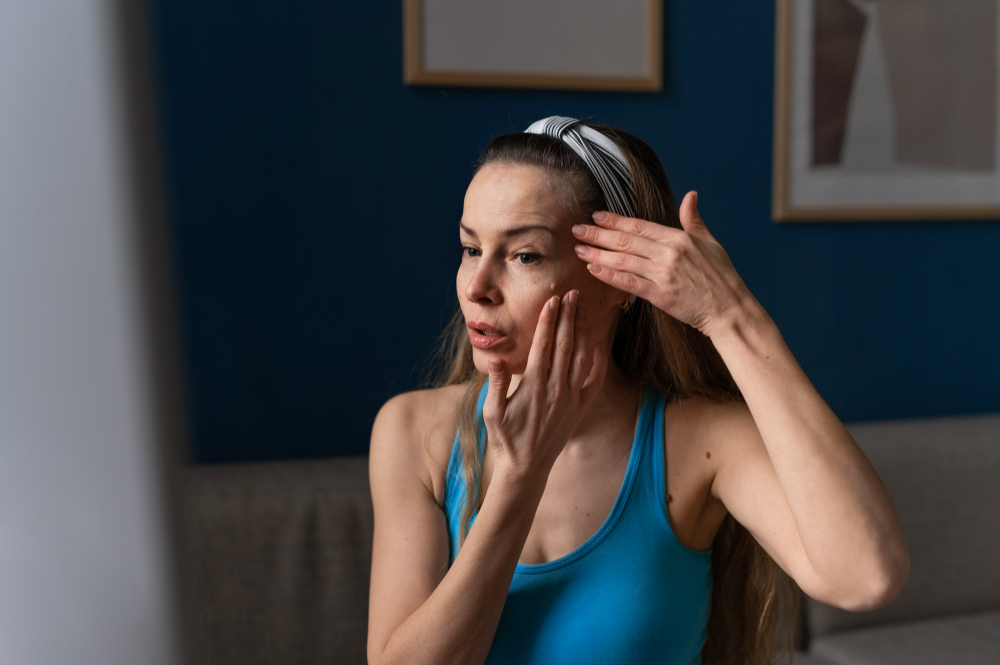
Many people notice changes in their skin during stressful times. The effects of stress on skin can include breakouts, rashes, and even flare-ups of chronic conditions. Understanding how stress affects your skin is important for keeping it healthy. In this blog, we will explore the link between stress and skin health, common symptoms, causes, and ways to manage stress-induced skin problems.
How Stress Affects the Skin
When you feel stressed, your body releases hormones like cortisol. These hormones can make your skin produce more oil. As a result, you may notice more pimples or oily patches. In addition, stress can weaken your skin’s natural barrier. Because of this, your skin may lose moisture and become dry or irritated. Over time, ongoing stress can slow down your skin’s healing process. For example, cuts or acne may take longer to heal. According to the American Academy of Dermatology, stress can also trigger inflammation, which can worsen skin problems.
Common Skin Symptoms Caused by Stress
Stress can lead to many skin issues. Some of the most common symptoms include:
Sometimes, stress can also make your skin look dull or tired. In severe cases, hair loss or nail changes may occur.
Causes and Risk Factors
Both short-term and long-term stress can harm your skin. For instance, a sudden stressful event may cause a breakout. On the other hand, ongoing stress can lead to chronic skin problems. People who already have skin conditions like acne, eczema, or psoriasis are at higher risk. In addition, those with a family history of skin issues may notice more symptoms during stressful periods. Other risk factors include poor sleep, unhealthy diet, and lack of exercise. According to the CDC, people in high-pressure jobs or those facing major life changes may be more affected.
Diagnosis
Doctors and dermatologists diagnose stress-related skin problems by looking at your symptoms and medical history. They may ask about recent life events or changes in your routine. Sometimes, they will examine your skin closely or run simple tests to rule out other causes. If you have a known skin condition, your doctor may check if stress is making it worse. Early diagnosis helps in choosing the right treatment and preventing further problems.
Treatment and Management
Treating stress-induced skin problems often involves a mix of medical care and lifestyle changes. Here are some effective strategies:
According to the World Health Organization, managing stress is key to better skin health and overall well-being.
Prevention Tips
While you cannot avoid all stress, you can take steps to protect your skin. Here are some tips:
By making these changes, you can reduce the effects of stress on your skin and improve your overall health.
Conclusion
In summary, the effects of stress on the skin can appear as acne, rashes, or flare-ups of chronic conditions. However, with proper care and stress management, you can protect and restore your skin’s health. If you notice changes in your skin during stressful times, consult an expert at Skin Rituals for personalized advice and care.