
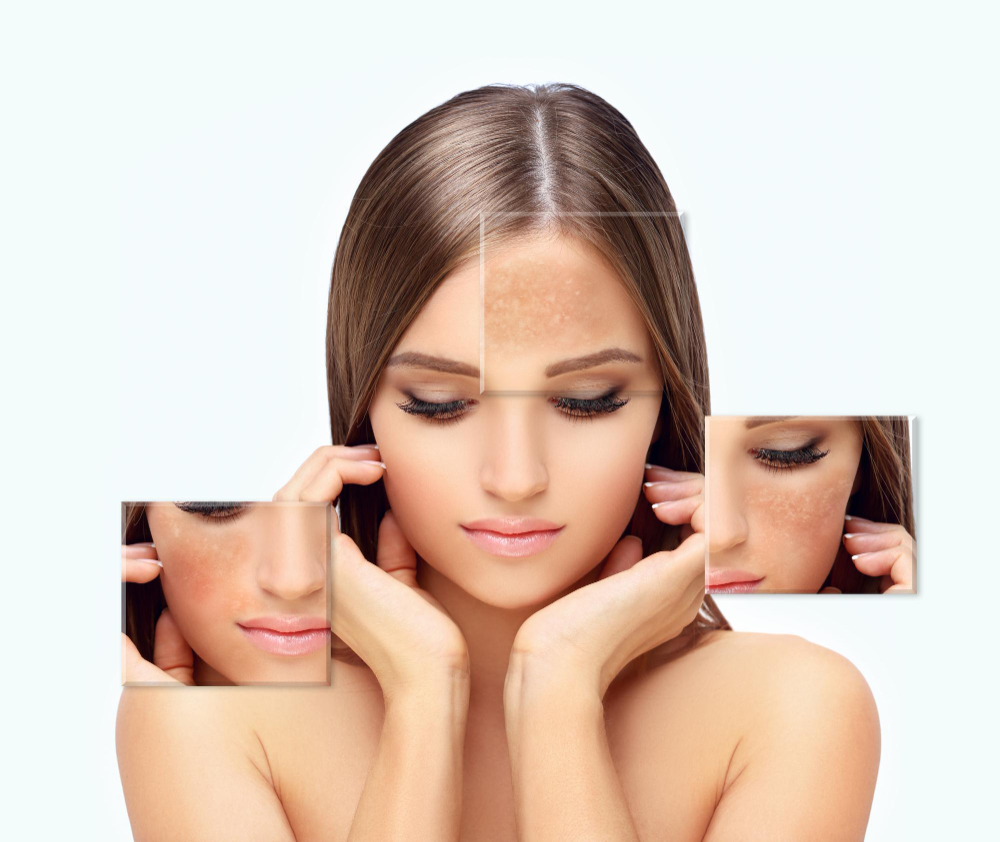
What is Post Inflammatory Hyperpigmentation?
Post inflammatory hyperpigmentation (PIH) is a common skin issue. It happens when dark spots appear after the skin heals from an injury or inflammation. For example, you might see these spots after acne, eczema, or a cut. In many cases, PIH is more noticeable in people with darker skin types. However, anyone can develop these marks. The skin produces extra pigment, called melanin, as it heals. This leads to patches of discoloration that can last for weeks or even months. Although PIH is not harmful, it can affect how you feel about your skin.
Common Symptoms
PIH shows up as flat spots or patches on the skin. These areas are usually darker than your normal skin tone. Sometimes, the spots can be brown, black, or even purple, depending on your skin color. In most cases, these marks do not cause pain or itching. However, they can be bothersome for cosmetic reasons. You may notice:
Often, these spots become more visible after sun exposure. But with time, many fade on their own.
Causes and Risk Factors
There are several PIH causes. The main reason is skin inflammation or injury. When the skin heals, it sometimes makes too much melanin. This extra pigment causes dark spots. Some common triggers include:
Additionally, some people are more likely to get PIH. For example, those with darker skin types, people who pick or scratch their skin, and those who do not use sun protection are at higher risk. In the United States, PIH is a leading reason for dermatologist visits among people with skin of color.
How is it Diagnosed?
Doctors usually diagnose post inflammatory hyperpigmentation by looking at your skin. They will ask about your medical history and recent skin problems. Sometimes, they may use a special light to examine the spots. In rare cases, a skin biopsy may be needed to rule out other conditions. However, most of the time, no special tests are required. If you are unsure about your skin changes, it is best to see a dermatologist. They can confirm if you have PIH or another skin issue.
Treatment Options
There are several post inflammatory hyperpigmentation treatment options. While PIH often fades with time, some treatments can help speed up the process. For example, your doctor may suggest:
However, not all treatments are right for everyone. Some may cause irritation, especially for sensitive skin. Therefore, always follow your doctor’s advice. Over-the-counter products may help mild cases, but prescription creams are often stronger. According to the American Academy of Dermatology, sun protection is key during treatment. Sunscreen prevents spots from getting darker and helps your skin heal.
Prevention and Lifestyle Tips
Although you cannot always prevent PIH, some steps can lower your risk. Here are some tips on how to prevent post inflammatory hyperpigmentation:
In addition, wearing hats or protective clothing can shield your skin from the sun. If you use new skin products, test them on a small area first. This helps prevent allergic reactions that could lead to PIH.
When to See a Dermatologist
Sometimes, home care is not enough. If your skin discoloration after inflammation does not fade, or if you feel self-conscious, it is time to seek help. You should see a dermatologist if:
Early treatment can lead to better results. An expert can recommend the most suitable plan for your skin type and needs. If you notice persistent skin discoloration, consult the skincare specialists at Skin Rituals for personalized advice and treatment.